
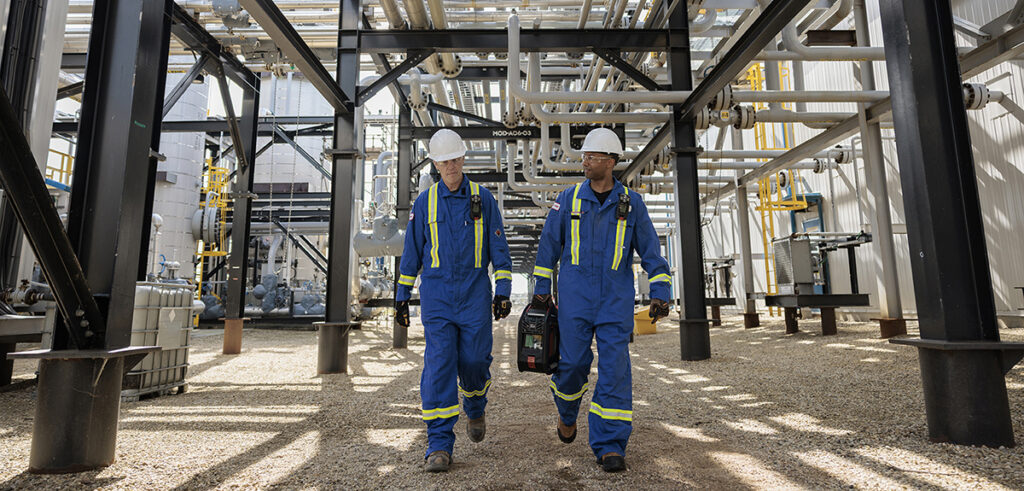
In this issue of Sustainability Today, we are pleased to feature Blackline Safety Europe as our Connected Safety Company of the Month
For Blackline Safety, the idea of keeping workers safe began with a very different kind of technology. Founded in Calgary in 2004 as Blackline GPS, the company initially worked with wireless and location technology, including applications in motorsports and fuel management. It was not until several years later that the business began to focus on a problem with far greater human consequences: how to keep people connected when they are working alone.
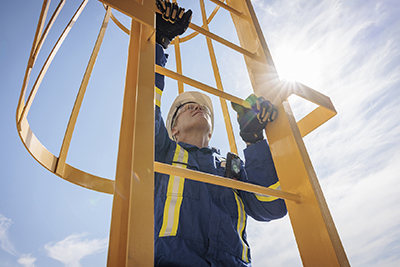 In 2007, Blackline launched its first lone-worker safety system, Loner GPS and Portal. The technology gave employers a way to know where lone workers were and to respond if something went wrong. That early focus on connectivity would eventually become the foundation of the company’s wider approach to workplace safety.
A pivotal moment came in 2014, when Cody Slater joined Blackline as CEO. Having previously led gas-detection company BW Technologies, Slater saw an opportunity to bring lone-worker monitoring and gas detection together. The result was a shift towards a more connected approach to industrial safety, in which detecting a hazard was only the beginning. In 2015, the company changed its name to Blackline Safety.
More than two decades after its beginnings, that philosophy remains at the centre of the business. Blackline’s proposition is summed up in three words: ‘Connect. Detect. Protect.’ Its technology combines wearable devices, gas detection, communications, cloud software, data analytics and live monitoring, allowing organisations to identify hazards and respond to what is happening in the field.
Today, Blackline operates internationally from its Calgary headquarters, with offices across North America, Europe and the Middle East. Its technology is used in more than 75 countries, supporting workers in industries where the consequences of an incident can be particularly serious – from energy and manufacturing to utilities, transportation and emergency response.
At its heart, the proposition is relatively simple: give workers a connection to help when they need it, and give organisations better information to prevent incidents from becoming emergencies.
What makes Blackline’s approach particularly relevant to the future of workplace safety is what happens after a hazard has been detected. Rather than treating an alarm as the end point, its technology is designed to form part of a wider response, connecting the worker, those monitoring the situation and the information needed to decide what happens next.
This can be particularly important when an incident is not immediately visible to colleagues. Blackline’s devices can surface alerts in real time, while organisations using its 24/7 Safety Operations Centre or global Alarm Receiving Centre partner network can have trained monitoring teams assess and manage alerts according to their emergency procedures. The aim is to reduce the time between something going wrong and the right people knowing about it.
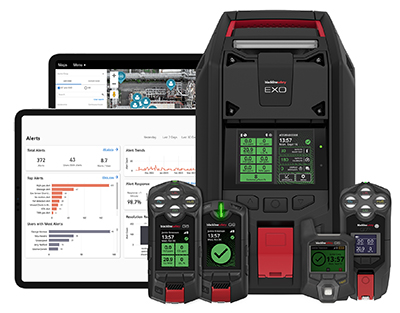 The value of that connectivity extends beyond the immediate response. Through cloud-based reporting and automated analytics, safety data can be used to identify patterns, highlight recurring risks and support decisions before an incident occurs. It represents a shift from viewing safety as a reactive function towards one that can become increasingly predictive.
That transition is examined in Blackline’s inaugural Keeping People Safe report, which explores the challenges and opportunities expected to shape workplace safety over the next two years. The report highlights the gap that can exist between formal safety procedures and what happens in practice. Among its findings, 64% of safety and operations leaders surveyed said they see a disconnect between safety protocols and real-world behaviour, while just 33.5% said they currently spend time on predictive analytics.
For sustainability-focused organisations, the implications extend beyond worker protection. The same infrastructure used to identify hazards can contribute to environmental monitoring, including leak detection and emissions management, while creating a more consistent and auditable record of workplace conditions. Connected safety therefore sits within a wider conversation about how businesses use technology to understand their environmental and operational impact.
Blackline’s latest generation of technology reflects that development. The G8 wearable brings together several functions in a single device, while the EXO 8 area monitor is designed to provide continuous visibility across a worksite. The direction of travel is clear: safety technology is becoming less about a standalone alarm and more about creating an informed view of the workplace – one that can support people, operations and environmental performance at the same time.
Looking ahead, Blackline sees further opportunities to develop connected safety, particularly in sustainability-driven sectors such as biogas and renewables.
Simon Rich, UK & EU Sales Director, says, “Our focus is on continuing to lead the shift from reactive to proactive safety – helping organisations move from responding to incidents to preventing them, and stopping incidents that do occur from escalating into a serious injury or fatality. That means continued investment in connected hardware, cloud software and analytics, deeper support for sustainability-driven sectors like biogas and renewables, and expanding our global reach so more workers everywhere benefit from connected safety.”
“Workplace safety continues to evolve, and organisations are increasingly looking for smarter, more connected and data-driven ways to protect their people. We look forward to continuing that journey with our customers and helping bring the benefits of connected safety to even more organisations around the world.”
For more information, please see below:
T +44 (0)1787 222684
eusales@blacklinesafety.com
www.blacklinesafety.com